Home  /  Penny’s Corner  /  Moving Day Guide
Penny’s Corner

Moving day, from four inches off the ground.

Everybody plans the movers. Almost nobody plans the dog. Then the front door is propped open for six hours, strangers are carrying the couch out, and somebody is driving around the old neighborhood at nine at night calling a name.

I have supervised a few of these. Here is the version that goes well.

— Penny
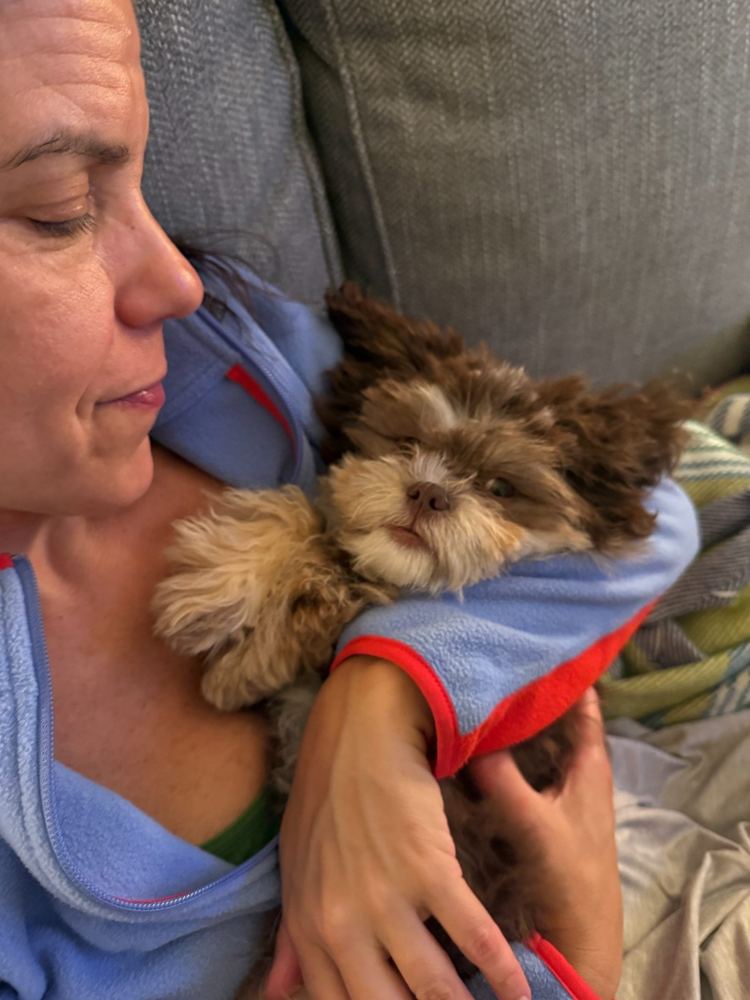
Penny, Brian Marchand's dog
Two weeks out

Paperwork nobody thinks about

The boring part, and the part that bites you if you skip it. Do it while you still have time to make phone calls.

1

Get the vet records in your own hands

Ask for a copy of the full file, not a summary — rabies certificate, vaccination dates, any prescriptions with the exact dosage. If you are changing practices, records move faster when you are the one carrying them.

2

Update the microchip registry, not just the tag

The tag is what a neighbor reads. The chip is what a shelter scans. The chip registration is a separate account from your vet and it is the one people forget. Change the address and the phone number the day you know your closing date.

3

Check the new town’s dog licensing

New York licenses dogs at the town, city or village level, not the county. Albany, Colonie, Clifton Park, Troy and Bethlehem each run their own. A license from your old town does not travel with you — you register in the new one, usually within a set window after you move, and they will want that rabies certificate.

4

If you are renting anything in between, get it in writing

Buying before selling, or landing in a short-term rental for a month? Pet terms, weight limits and breed restrictions belong in the lease, not in a text message.

The week of

Keep the routine, box the room last

Dogs read boxes as a threat. Not because of the boxes — because the routine stopped.

1

Feed and walk at the same times you always have

Everything else in the house is changing. The two things that shouldn’t are the bowl and the leash.

2

Pack the dog’s room last, unpack it first

Bed, bowls, the ugly toy, a blanket that smells like the old house. That box rides in your car, not the truck, and it comes out before the dishes do.

3

Find the new vet and the closest emergency clinic now

Not on moving day. Program the emergency number into your phone before you need it — the Capital Region has a handful of 24-hour options and they are not always the closest thing to you.

Penny’s one real warning

On moving day, the front door is open for hours and everybody assumes somebody else is watching the dog.

This is how dogs get lost, and it happens on good moves with careful people. Pick one plan before the truck arrives: a closed room with a sign on the door, a crate in the empty bedroom, or a day at daycare or a friend’s house. Any of the three works. “We’ll keep an eye on her’ is not one of the three.

Closing day

Where the dog actually goes

You are signing paperwork for an hour and moving furniture for six. Plan the dog’s day the way you would plan a toddler’s.

1

Pick the room before the truck comes

Empty bedroom, door closed, water bowl, a sign taped on the outside that says the dog is in there. Movers are careful with furniture and oblivious to doors.

2

Walk the fence line before you let anyone off leash

Gates that do not latch, a gap behind the shed, a section the last owner meant to fix. Do this walk yourself, on foot, the first day. On leash until you have.

3

Check the yard for the things that hurt

Old antifreeze in the garage, a rusted stake, cocoa mulch in the beds, whatever is behind the shed. New yards hide a decade of somebody else’s stuff.

The first week

How a house becomes home

Give it about two weeks before you decide anything is wrong. Most of what looks like a problem in week one is just a dog doing math.

1

One room first, then the rest

Set up the bed and bowls in one spot and let that be home base. Access to the whole house on day one is a lot of new information at once.

2

Expect a few nights of weird

Pacing, waking up, following you room to room, an accident from a dog who has not had one in years. Normal. It passes.

3

Walk the same loop every day for a week

Same route, same time. It is how a dog builds a map, and it is how you meet the neighbors, which is the other thing that makes a house feel like yours.

4

Then go find the good spots

The Capital Region is unusually good for this — the Corning Preserve path in Albany, the Zim Smith trail through Ballston and Malta, the Mohawk–Hudson Bike Hike Trail, plus town dog parks in Albany, Colonie, Clifton Park, Saratoga Springs and Guilderland. Ask your new neighbors which one is worth the drive.

One more, from Dad

If the yard is the reason you are buying the house, tell me that before we pick the loan.

Fencing, a detached garage, acreage, an older house that needs the yard rebuilt — those change which program fits. USDA exists for properties with land around them, and renovation financing can put the fence and the yard work into the mortgage instead of onto a credit card after closing. Tell me what the dog needs →

Okay. Nap time.

That is everything I know, and I know a lot for someone whose main job is supervising snacks. Good luck with the move. Tell my Dad I sent you.

Back to Penny’s Corner
Brian Marchand, Sr. Loan Consultant at New American Funding

Brian Marchand · Sr. Loan Consultant, New American Funding · NMLS #481563

Works with buyers and homeowners across Albany, NY, the Capital Region and New York State. Licensed in New York State. New American Funding, NMLS #6606 · 18 Computer Dr E, Suite 103, Albany, NY 12205.

About Brian